
Obesity is a prevalent problem that affects millions of individuals worldwide. It is associated with various health risks, including cardiovascular diseases, diabetes, and certain types of cancer. While achieving a healthy weight requires a combination of regular physical activity and a balanced diet, the types of foods we consume play a crucial role in our weight loss journey. In this article, we will discuss foods that should be avoided when trying to slim down and provide insight into why these food types are detrimental to your weight loss goals.
Foods to Avoid:
1. Highly Processed Foods:

Highly processed foods, such as sugary snacks, refined grains, and fast food, should be avoided when aiming to slim down. These foods are typically high in added sugars, unhealthy fats, and empty calories. They often lack essential nutrients and fibre, making them less satiating and leading to overeating. According to a study published in the journal Obesity, the consumption of highly processed foods is positively associated with weight gain and obesity in both adults and children.
2. Sugar-Sweetened Beverages:
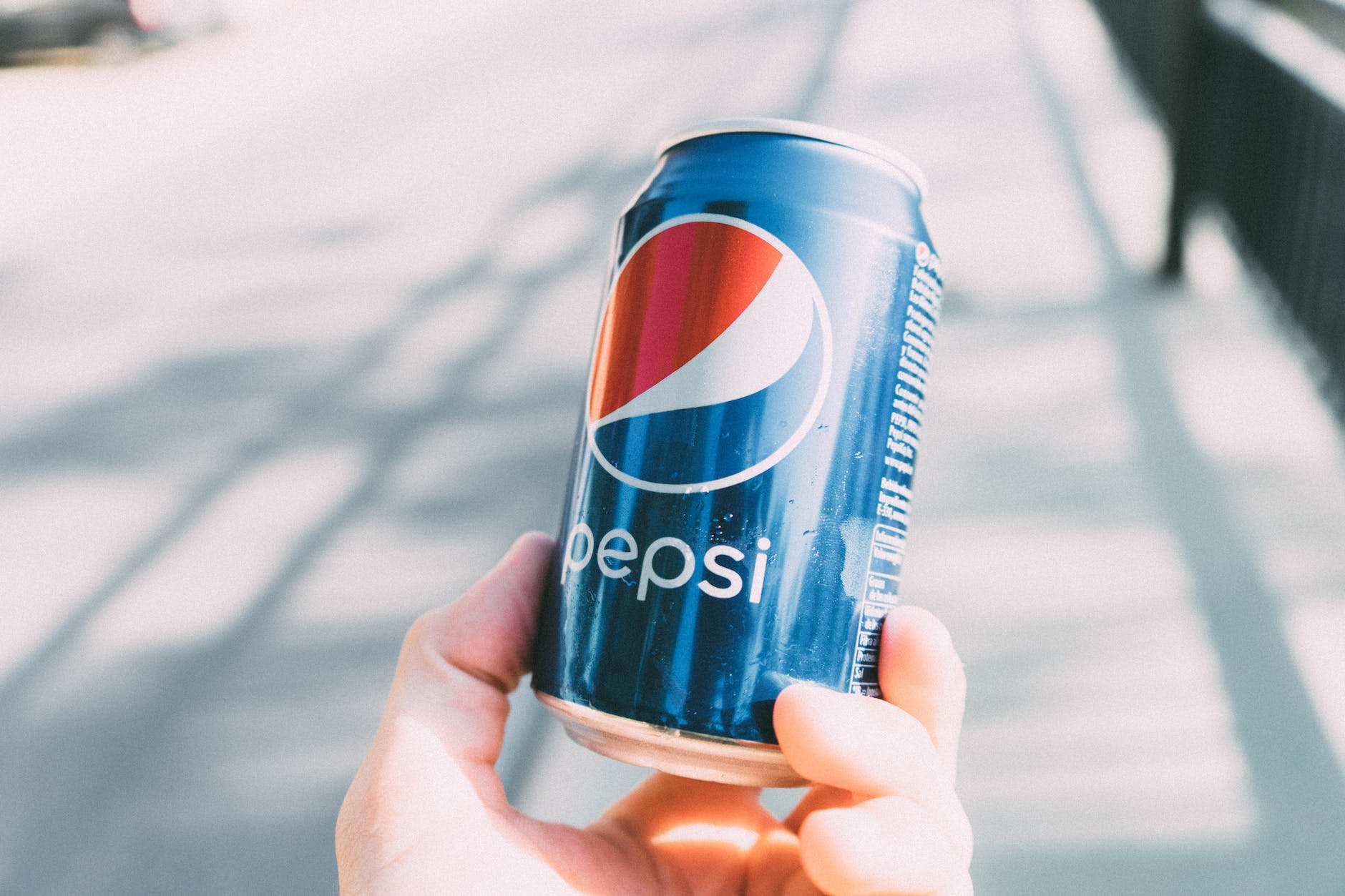
Sugar-sweetened beverages like sodas, fruit juices, energy drinks, and sweetened teas are packed with added sugars and are a significant contributor to weight gain. These beverages provide little to no nutritional value and can lead to increased calorie intake without making you feel full. Research published in the American Journal of Clinical Nutrition suggests that reducing the consumption of sugar-sweetened beverages can help in weight management.
3. Trans Fats:

Trans fats, often found in processed snacks, fried foods, and commercially baked goods, are detrimental to your weight loss efforts. These fats not only increase the risk of heart disease but also promote weight gain. Trans fats interfere with the body’s ability to metabolize fats and contribute to inflammation. The World Health Organization (WHO) recommends eliminating trans fats from the diet to improve overall health.
4. Sugary and Artificially Sweetened Foods:

Sugary foods, such as candies, cakes, cookies, and pastries, should be minimized or avoided altogether. These foods are high in calories and lack essential nutrients. Artificially sweetened foods and beverages, despite being low in calories, can still affect weight loss. Research published in the journal Nature suggests that artificial sweeteners may disrupt the body’s natural regulation of calorie intake, leading to increased cravings and potential weight gain.
Foods That Aid Weight Loss:
1. Whole Grains:
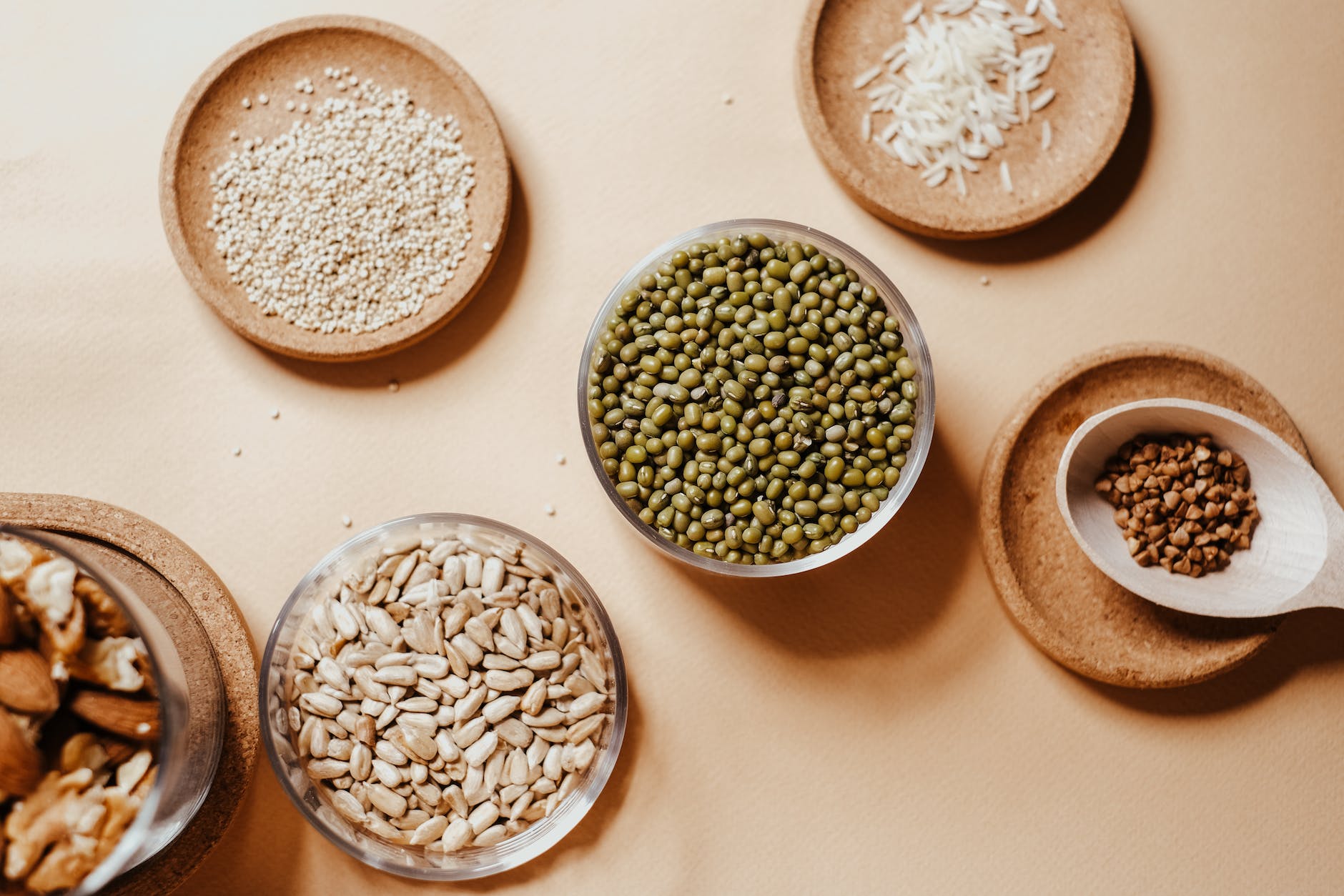
Incorporating whole grains like oats, quinoa, brown rice, and whole wheat bread into your diet can support weight loss. Whole grains are high in fibre, which promotes satiety and helps regulate blood sugar levels. A study published in the American Journal of Clinical Nutrition found that individuals who consumed more whole grains had a lower risk of weight gain over time.
2. Lean Proteins:

Including lean proteins like chicken breast, fish, tofu, and legumes in your meals can be beneficial for weight loss. Proteins are highly satiating and can help reduce appetite, leading to a lower calorie intake. Additionally, protein requires more energy for digestion, known as the thermic effect of food, which can boost metabolism. A review published in the American Journal of Clinical Nutrition concluded that high-protein diets promote weight loss and help preserve lean body mass.
3. Fruits and Vegetables:

Fruits and vegetables are nutrient-dense, low-calorie foods that can aid in weight loss. They are high in fibre, vitamins, minerals, and antioxidants while being naturally low in fat and calories. Including a variety of colourful fruits and vegetables in your diet can provide essential nutrients while helping you feel satisfied. According to a study published in PLOS Medicine, increased fruit and vegetable consumption is associated with long-term weight loss.
4. Healthy Fats:

Contrary to popular belief, not all fats are harmful when it comes to weight loss. Including sources of healthy fats in your diet, such as avocados, nuts, seeds, and olive oil, can actually aid in slimming down. Healthy fats are rich in monounsaturated and polyunsaturated fats, which promote satiety, regulate blood sugar levels, and support overall heart health. A study published in the journal Obesity Reviews found that diets rich in healthy fats are associated with improved weight loss outcomes.
5. Low-Fat Dairy or Dairy Alternatives:

Including low-fat dairy products or dairy alternatives, such as skim milk, yoghurt, or unsweetened plant-based milk, can be beneficial for weight loss. These options provide protein, calcium, and other essential nutrients while being lower in calories compared to their full-fat counterparts. Research published in the International Journal of Obesity indicates that dairy consumption, especially low-fat dairy, is inversely associated with body weight and can contribute to weight loss.
6. Water:
While not a food item per se, water is an essential component of any successful weight loss plan. Staying hydrated can help curb appetite, prevent overeating, and promote proper digestion. Drinking water before meals can also help you feel fuller, reducing the likelihood of consuming excess calories. A study published in Obesity suggests that increased water consumption is associated with greater weight loss during a calorie-restricted diet.
When trying to slim down, it is crucial to be mindful of the types of foods you consume. Avoiding highly processed foods, sugar-sweetened beverages, trans fats, and sugary or artificially sweetened foods can support your weight loss goals by reducing calorie intake and improving overall nutritional quality. Instead, focus on incorporating whole grains, lean proteins, fruits, vegetables, healthy fats, low-fat dairy, and water into your diet. These foods provide essential nutrients, promote satiety, and support weight loss efforts. Remember, achieving and maintaining a healthy weight involves a balanced approach that combines a nutritious diet with regular physical activity.
Disclaimer: This article is for informational purposes only and does not constitute medical advice. Consult a healthcare professional for personalized guidance on your weight loss journey.
References:
1. Mozaffarian, D., et al. (2011). Changes in diet and lifestyle and long-term weight gain in women and men. The New England Journal of Medicine, 364(25), 2392-2404.
2. Malik, V. S., et al. (2010). Sugar-sweetened beverages and risk of metabolic syndrome and type 2 diabetes: A meta-analysis. Diabetes Care, 33(11), 2477-2483.
3. Mozaffarian, D., et al. (2006). Trans fatty acids and cardiovascular disease. The New England Journal of Medicine, 354(15), 1601-1613.
4. Swithers, S. E., & Davidson, T. L. (2008). A role for sweet taste: Calorie predictive relations in energy regulation by rats. Behavioral Neuroscience, 122(1), 161-173.
5. Slavin, J. L. (2005). Dietary fibre and body weight. Nutrition, 21(3), 411-418.
6. Halton, T. L., et al. (2008). Low-carbohydrate-diet score and risk of type 2 diabetes in women. The American Journal of Clinical Nutrition, 87(2), 339-346.
7. Leidy, H. J., et al. (2015). The role of protein in weight loss and maintenance. The American Journal of Clinical Nutrition, 101(6), 1320S-1329S.
 One Writes